This involves taking methadone or buprenorphine to essentially replace the opioids that have been abused. Then, over time, the supervising physician will lower the dosage of the replacement medication until no drugs are being taken at all. Your healthcare professional may prescribe opioids to help you get through a few days of severe pain after surgery or a serious injury. Opioid medicines also can play an important role in treating pain from cancer. Rarely, opioids may be used to treat long-term pain that’s not caused by cancer when other treatments have not worked.
An interaction between two medications does not always mean that you must stop taking one of the medications; however, sometimes it does. Speak to your doctor about how drug interactions should be managed. This was something that was mandated by the Affordable Care Act, and our Colorado intake specialists can work with you and your insurance company to get you approved for treatment. Most treatment for Vicodin addiction, regardless of location or the program format includes a combination of behavioral and pharmaceutical treatment, with the focus on the behavioral. Vicodin’s side effects in the long term can also include addiction. Vicodin is a powerful opioid that changes the neural pathways of the brain, and this is what fuels the chronic disease of addiction.
Inpatient rehab for hydrocodone addiction
If you realize your pain is decreasing, let your doctor know, even if your prescription hasn’t run out. Your doctor may want to reduce your dosage gradually and have you stop taking it sooner than expected. There is still deep skepticism as to whether U.S.-China cooperation on fentanyl will yield worthwhile results. Republicans have criticized the Biden administration’s lifting of sanctions as being too soft on Beijing, https://ecosoberhouse.com/ while human rights activists have decried it as a betrayal of the Uyghurs. China — which U.S. officials say is the primary source of the precursor chemicals synthetized into fentanyl by drug cartels in Mexico — has promised greater cooperation with the U.S. on combating the crisis. The best way to help your loved one recognize the need for treatment is to share your concerns in a compassionate, non-judgmental way.
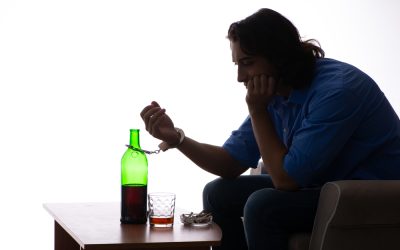
There are medications available to safely transition a person from a drug, such as hydrocodone, to a maintenance medication such as Suboxone (buprenorphine). The transition can prevent the onset of dangerous withdrawal symptoms as well as help to prevent a relapse. As Moods Magazine explains, after a person completes a drug treatment program, the recovery process continues. Known as aftercare, this phase can, and may very well, last a lifetime.
Professional resources
The opioid epidemic impacting the nation has been front in center in Colorado, and one of the drugs that’s part of this battle is Vicodin. Vicodin is one of the more recognized and well-known prescription opioids combining hydrocodone and acetaminophen. You may have withdrawal symptoms when you stop or lessen the use of opioid medicine. Symptoms may vary depending on several issues, such as the speed of the opioid taper and how long you’ve used opioid medicines. Tapering over time can help lessen withdrawal symptoms or keep you from having them. You may be eager to reach your goal, but your body needs time to adjust to lower levels of opioids, and then to none at all.
- If your doctor prescribes hydrocodone for you, you can take steps to avoid serious complications from hydrocodone addiction.
- Opioid abuse has become a widespread epidemic across the US that has garnered attention from public leaders and the media.
- Once you develop a Vicodin dependence, quitting or cutting back suddenly can cause withdrawal symptoms.
- Taking certain products together can cause you to get too much acetaminophen which can lead to a fatal overdose.
- The test is free, confidential, and no personal information is needed to receive the result.
You should refer to the prescribing information for Vicodin for a complete list of interactions. The type of effects someone experiences during Vicodin detox, and how long he or she will experience vicodin addiction them, will vary and will also be affected by how long and how much someone used the drug. Once a person goes through withdrawal, he may have a horror of ever going through it again.
Risks of Mixing Vicodin with Alcohol and Other Drugs
Christine Laplante is a Licensed Mental Health Counselor with a multitude of trainings in trauma-informed care, substance abuse, integrated healthcare and human sexual development. Her clinical experience ranges from child through adult, and incorporates individual, relationship, family and group counseling services. Though the side effects of Vicodin withdrawal are uncomfortable, they are not lethal. Symptoms can be reduced or prevented by gradually reducing the dose over a period of time (a process known as tapering),3 or by using medication-assisted treatment (discussed in more detail below). Vicodin has a high potential for abuse and is highly addictive. Despite the danger of addiction, one in five teens in high school has tried Vicodin.
People who use Vicodin for long periods of time, at higher doses than prescribed, or without a prescription may be at risk for developing a Vicodin dependence. Opioid medicine can slow or stop your breathing, and death may occur. A person caring for you should give naloxone and/or seek emergency medical attention if you have slow breathing with long pauses, blue colored lips, or if you are hard to wake up. Some medicines can interact with hydrocodone and cause a serious condition called serotonin syndrome.
What other drugs will affect Vicodin?
There are also some alternative treatments for pain that do not involve medication at all. Those who wish not to use Vicodin have alternatives for pain relief, but they have to discuss them with their physician before making sudden changes. According to the CDC, there are various medication-based alternatives to opiates for dealing with pain. Anyone can buy naloxone from a pharmacy or local health department. Make sure any person caring for you knows where you keep naloxone and how to use it. Always check your bottle to make sure you have received the correct pills (same brand and type) of medicine prescribed by your doctor.
- Counseling can help you learn ways to cope with stress, identify early warning signs of relapse and keep you from taking opioids.
- Do not stop using Vicodin suddenly after long-term use, or you could have unpleasant withdrawal symptoms.
- It is considered by many medical professionals that Vicodin is overprescribed, meaning that people don’t really need a painkiller that strong or that they are getting it for a longer time than they need.
- Those who use Vicodin may have to take it every 4–6 hours, depending on their prescription.
- Keep track of the amount of medicine used from each new bottle.
- If you’re ready to find treatment for hydrocodone misuse or addiction, American Addiction Centers (AAC) can help.
Be sure your doctor knows if you also take medicine for depression, mental illness, Parkinson’s disease, migraine headaches, serious infections, or prevention of nausea and vomiting. Ask your doctor before making any changes in how or when you take your medications. This is an effective method of eliminating much of the physical effect of the drug that remains locked in the fatty tissues of the body. The program combines sauna time with moderate exercise and a strict regimen of nutritional supplements. And, by the reports of many people completing this step, cravings are either greatly reduced or may leave entirely.
Dose
It’s common not to talk about your concerns because you fear that your relationship or family will fall apart. You may convince yourself that you’d know it was time for action if your loved one’s addiction was truly serious. Even healthcare professionals may overlook common signs of opioid misuse if they feel they know the person and don’t look for signs in an objective way. SUD is a mental health condition that occurs when a person is unable to control their use of substances like drugs, alcohol, or medications.
In rare cases, acetaminophen may cause a severe skin reaction that can be fatal. This could occur even if you have taken acetaminophen in the past and had no reaction. Stop taking Vicodin and call your doctor right away if you have skin redness or a rash that spreads and causes blistering and peeling.